Corporate Gifting for International Executive Events: A 2026 Guide
Corporate gifting for international executive events has evolved far beyond a polite gesture. It's now a strategic tool that shapes how clients, partners, and stakeholders perceive your organisation. The global corporate gifting market is valued at $956.93 billion in 2026 and is projected to grow at 8.2% annually through 2030, reflecting how seriously businesses are taking this practice The Business Research Company's corporate gifting market analysis.
At Country Culture, we've observed that thoughtful corporate gifting boosts loyalty, strengthens client ties, and elevates brand perception Ready Set Gift's research on corporate gifting effectiveness. When you're hosting international executives, the stakes are higher. These aren't routine touchpoints, they're moments where first impressions, cultural respect, and brand positioning converge.
The real difference between forgettable gifts and memorable ones comes down to intentionality. Generic merchandise gets tossed. Thoughtful, curated selections get used, displayed, and remembered. For international events, this distinction becomes even more critical because you're navigating multiple cultural contexts, expectations, and regulatory considerations simultaneously.
Executive Gift Etiquette for International Events
Understanding gift-giving customs across different cultures isn't optional when hosting international executives, it's foundational. What's appropriate in one market can be offensive in another, and missteps damage relationships before conversations even begin.
Regional Gift-Giving Norms and Taboos
Colour symbolism, number symbolism, and packaging choices vary significantly across regions. In many Asian cultures, white is associated with mourning, and the number four is considered unlucky. Red, conversely, symbolises prosperity and good fortune. In Middle Eastern contexts, gifts should never be wrapped in black or gold, and avoid gifting alcohol or pork-related products to Muslim executives. European executives generally appreciate quality over quantity, whilst Latin American business culture values more personal, relationship-focused gifts that demonstrate genuine interest in the individual.
Certain gifts carry near-universal appeal within Western business contexts: premium leather goods, quality writing instruments, and curated experiences. However, research from the Incentive Research Foundation's 2026 industry outlook shows that experiential gifting and gift cards have risen dramatically in on-site programs, with gift cards now included in more than 75% of all on-site gifting initiatives across Europe. This shift reflects a broader trend toward respecting recipient autonomy, allowing executives to choose what they actually want rather than imposing your selection.
Tax and Compliance Considerations for Cross-Border Gifting
International gifting triggers compliance obligations many organisations overlook. In most jurisdictions, including the UK and EU, gifts valued above a certain threshold (typically £50-€100 equivalent) may be subject to income tax reporting for the recipient. The Australian Taxation Office (ATO) treats corporate gifts as a fringe benefit if they're provided to employees or associates, potentially triggering Fringe Benefits Tax (FBT) if not properly categorised as exempt minor benefits.
For international recipients who are not employees, the rules differ. Gifts to external executives, clients, or partners are generally deductible as business expenses for the giver, but the recipient's tax obligation depends on their home country's rules. Some jurisdictions require recipients to declare gifts above certain values; others do not. Before committing to a large gifting program, consult with your tax advisor or accountant to confirm:
- Whether gifts qualify as FBT-exempt minor benefits under ATO guidelines
- Whether international recipients' home countries impose income tax on gifts
- Whether customs duties or import taxes apply to physical gifts crossing borders
- Whether documentation (invoices, delivery proof, recipient declarations) is required for audit purposes
Documentation and Relationship Tracking
Keep detailed records of what you've gifted to each executive across years to avoid repetition and demonstrate compliance intent. Nothing signals carelessness like presenting the same item twice. For truly high-value relationships, document preferences and interests mentioned in previous conversations, then reference them when selecting gifts. This approach also protects you if questions arise about gift appropriateness or value, you can demonstrate intentionality and cultural awareness.
For international events spanning multiple countries, maintain a centralised gifting register that includes recipient name, title, country, gift description, value, date, and any cultural notes (dietary restrictions, colour preferences, known taboos). This becomes invaluable when planning future events and demonstrates due diligence if compliance questions arise.
Selecting the Right Gifts for VIP Attendees
VIP attendees expect gifts that reflect their status, not necessarily the most expensive option, but thoughtful curation that signals respect for their time and position.
Premium Gift Categories That Resonate
Practical luxury items work best: premium notebooks, high-quality leather goods, artisan food and beverage selections, or bespoke experiences. These categories signal respect because they're items successful executives either use regularly or genuinely enjoy. Avoid gifts that feel generic or mass-produced. Items bearing your logo are acceptable only when the execution is premium, think embossed leather rather than printed plastic. The packaging itself communicates value; sustainable, thoughtfully designed packaging reinforces that you've invested genuine care in the selection.
The Sustainable Gifting Advantage
A critical differentiator that most corporate gifting providers overlook: sustainability and ethical sourcing. Modern executives, particularly those in leadership roles, increasingly evaluate corporate gifts through an ESG (Environmental, Social, and Governance) lens. A gift sourced from sustainable suppliers or made by artisans using ethical labour practices becomes a statement about your organisation's values, not just a transactional item.
Sustainable gifting options include:
- Eco-certified products: Items carrying certifications like FSC (Forest Stewardship Council) for timber goods, Fair Trade for food and beverages, or B Corp certification for makers demonstrate genuine commitment to environmental and social standards.
- Locally sourced and artisan-made: Gifts produced by small businesses or individual makers reduce supply chain emissions, support local economies, and often come with compelling origin stories. For international executives, locally sourced gifts carry particular weight, they introduce the recipient to your market's creative economy and signal that you've invested in understanding regional producers.
- Minimal or recyclable packaging: Luxury packaging need not be wasteful. Recyclable kraft paper, compostable mailers, and reusable containers align with executive values without sacrificing perceived quality.
- Experiences over objects: Experiential gifts, cooking classes with local chefs, guided tours with conservation experts, or access to exclusive events, generate memories rather than clutter. They're inherently sustainable because they produce no physical waste.
Research from the Cone Communications 2023 Purpose Study found that 73% of global consumers would change their consumption habits to reduce environmental impact.
Curating Gifts That Tell a Story
Australian-Made Corporate Gifts That Build Brand Loyalty
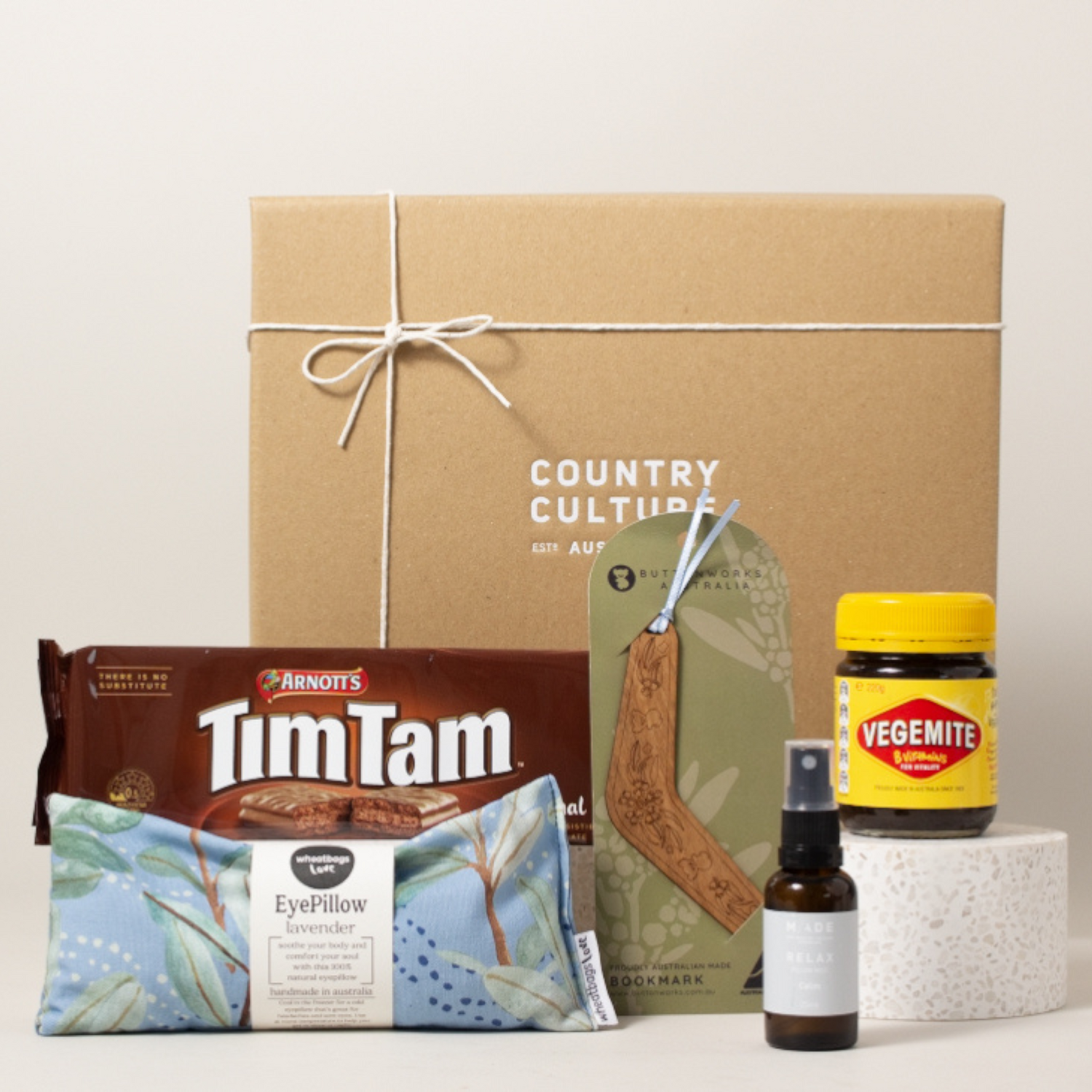
Australian-made corporate gifts offer a distinct advantage for international events: they're differentiated, story-rich, and aligned with global trends toward sustainable, ethical procurement. When you gift products from Australian artisans and small producers, you're not just giving an item, you're introducing the recipient to your market's creative economy.
Managing Bulk Gift Order Quality Control
Seven out of ten customers have eliminated at least one gift vendor from their supply chain, prioritising consolidation onto platforms that guarantee consistent quality CorporateGift.com's 2026 CG Elite Gifters Survey. This statistic reveals a critical pain point: scaling gift orders without sacrificing quality is genuinely difficult.
Customisation, Branding, and Personalisation Strategies
Personalisation elevates corporate gifting from adequate to memorable. The question isn't whether to personalise, it's how to do it authentically without making gifts feel mass-produced or overly promotional.
Logistics, Budgeting, and Delivery for Corporate Gifting
Budgeting for corporate gifting requires understanding the total cost per gift, not just the product price. Factor in customisation, packaging, delivery and a contingency allowance for replacements or last-minute additions.
For international executive events, logistics require additional planning. Import restrictions vary between countries, particularly for food, alcohol and other regulated products, so not every product in an Australian gift hamper can necessarily be shipped to every destination.
At Country Culture, international shipments are assessed individually. Our team reviews the destination and proposed gift selection, identifies products that may be affected by import restrictions and recommends suitable substitutions where required. We then provide an international shipping quote for approval before the gifts are dispatched from our Sydney warehouse.
For executive events involving multiple international destinations, we recommend planning well in advance to allow time for product eligibility checks, potential substitutions, international transit and customs clearance.